

As music enthusiasts, we often hear the term DAC thrown around when discussing audio quality and music players. But what exactly is a DAC, and why is it so crucial for your listening experience? In this beginner’s guide, we will delve into the world of Digital-to-Analog Converters (DACs) to demystify their role in transforming digital audio into beautiful, analog sound waves.
In this article you will find:
- The Basics of DACs
- Why DAC Quality Matters
- Types of DACs
- Popular DAC Brands
- Choosing the Right DAC
- Example Scenario: Upgrading Your Smartphone DAC
- Understanding DAC Specifications
- Key Considerations
The Basics of DACs
Let’s start with the basics. A DAC is a device that converts digital audio signals, such as those stored on your smartphone, laptop, or music streamer, into analog signals that can be played through your headphones or speakers. In simple terms, it takes the zeros and ones of digital audio files and translates them into the continuous voltage signals that make up sound waves.
Why DAC Quality Matters
The quality of the DAC directly impacts the sound quality you experience. A high-quality DAC can accurately reproduce the nuances and details of your music, delivering a rich and immersive listening experience. On the other hand, a poor-quality DAC may introduce distortions, noise, and a flat sound that detracts from the original recording.
Types of DACs
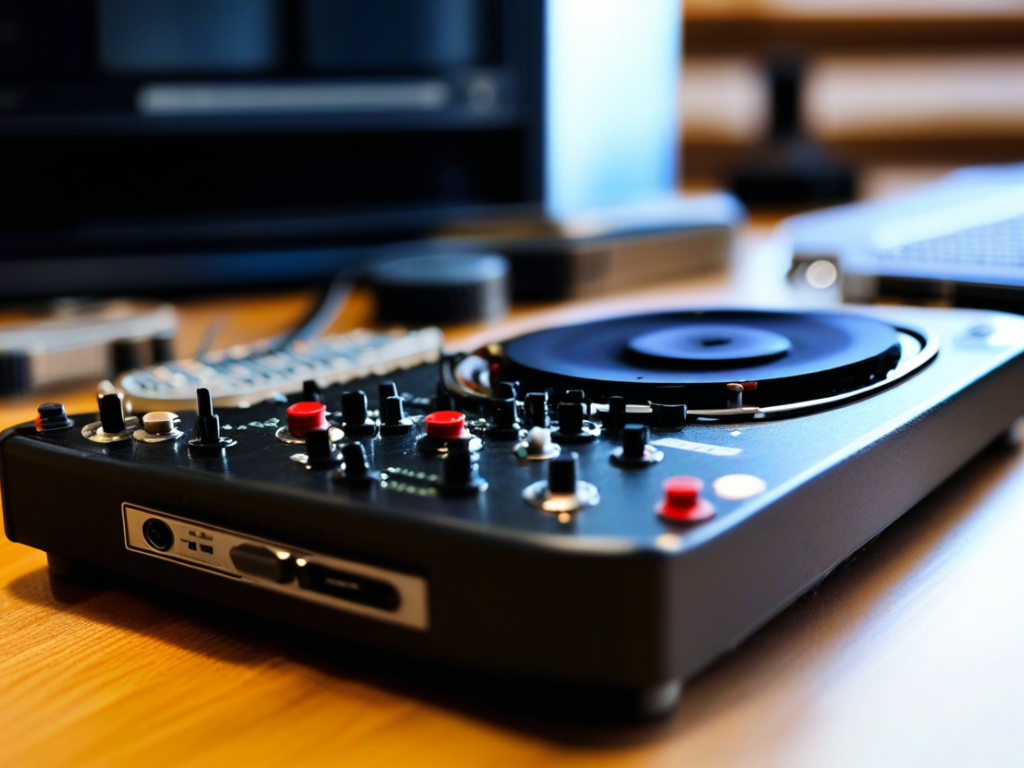
There are various types of DACs available in the market, ranging from basic built-in DACs in smartphones to standalone DAC units used by audiophiles. Built-in DACs are convenient but may not offer the best sound quality, while dedicated external DACs are designed to provide superior audio performance, often with advanced features and customization options.
Popular DAC Brands
Notable brands in the DAC industry include AudioQuest, Schiit Audio, Chord Electronics, and iFi Audio, known for their high-quality DAC units that cater to different budgets and preferences. These companies prioritize sound accuracy, clarity, and innovation to enhance the listening experience for music enthusiasts.
Choosing the Right DAC
When selecting a DAC for your music player, consider factors such as audio quality, connectivity options, compatibility with your devices, portability, and budget. It’s essential to match the DAC’s capabilities with your listening habits and audio gear to maximize the benefits it provides.
Example Scenario: Upgrading Your Smartphone DAC
For smartphone users looking to elevate their audio experience, investing in a portable DAC such as the AudioQuest DragonFly or iFi Hip-dac can significantly enhance sound quality, especially when paired with high-quality headphones or in-ear monitors. These compact DACs offer improved clarity, dynamics, and detail retrieval compared to most built-in smartphone DACs.
Understanding DAC Specifications
When exploring DAC options, you may encounter specifications like bit depth, sample rate, signal-to-noise ratio (SNR), and total harmonic distortion (THD). While these technical terms may seem overwhelming at first, they play a crucial role in determining the DAC’s performance and sound quality. Higher bit depths, sample rates, and SNR values generally indicate better audio fidelity.
Key Considerations
Pay attention to how these specifications align with your listening preferences and the audio files you typically enjoy. For example, high-resolution audio files with a higher sample rate may benefit from a DAC that supports bit-perfect playback to preserve all the details in the music.
By understanding the role of DACs in your music player setup and exploring the available options, you can make informed choices to enhance your listening pleasure. Whether you’re a casual listener or an audiophile chasing the ultimate sound quality, a good DAC can take your music experience to new heights.