

Have you ever wondered how the music player you use impacts the overall sound quality of your favorite tunes? As an audio enthusiast with a deep understanding of music players and audio technology, I’ve had the privilege of exploring the intricate ways in which these devices can influence our listening experience. In this article, we’ll delve into the fascinating world of music players and uncover the mechanics behind how they affect sound quality. By the end of this journey, you’ll have a newfound appreciation for the role that your music player plays in delivering high-fidelity sound.
In this article you will find:
- The Digital-to-Analog Conversion Process
- Amplification and Signal Processing
- File Formats and Bitrates
- Conclusion
The Digital-to-Analog Conversion Process
One of the key aspects that determine sound quality in music players is the digital-to-analog conversion process. When you play music from a digital source such as a smartphone or computer, the audio signal is in a digital format made up of 0s and 1s. To convert this digital signal into the analog sound waves that we hear, music players use digital-to-analog converters (DACs).
The quality of the DAC in a music player significantly impacts the accuracy and clarity of the audio signal. High-quality DACs can reproduce sound with precision, resulting in a more detailed and lifelike listening experience. For example, a music player equipped with a high-end DAC like the ESS Sabre or AKM Velvet Sound is capable of delivering superior sound quality with minimal distortion and noise.
Amplification and Signal Processing
Another crucial factor that influences sound quality is the amplification stage in a music player. Amplifiers boost the electrical signal coming from the DAC to drive headphones or speakers, ensuring that the audio reaches the desired volume levels without compromising on clarity or dynamics.
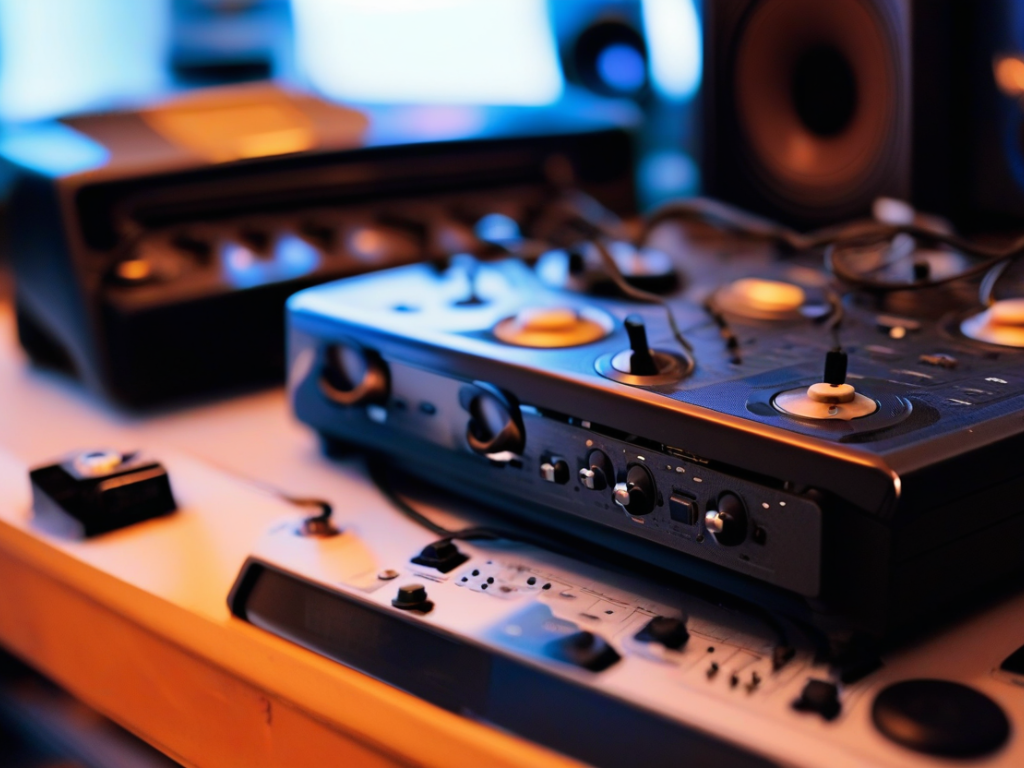
Furthermore, signal processing technologies such as upsampling, filtering, and equalization can greatly enhance the sound quality of a music player. Upsampling, for instance, increases the sample rate of the audio signal, allowing for smoother playback and improved resolution. Similarly, advanced filters and EQ settings can tailor the sound to suit individual preferences, creating a more personalized listening experience.
File Formats and Bitrates
Aside from the hardware components, the file formats and bitrates of your music files also play a significant role in determining sound quality. Lossless audio formats like FLAC and ALAC preserve the original audio data without compression, resulting in higher fidelity playback compared to lossy formats like MP3 or AAC.
When playing high-resolution audio files with bitrates of 24-bit/192kHz or higher, a quality music player can reproduce the nuances of the recording with exceptional clarity and detail. By supporting a wide range of file formats and bitrates, music players cater to audiophiles who demand the highest level of sound quality in their listening sessions.
Conclusion
As we’ve seen, music players have a profound impact on sound quality through their DACs, amplifiers, signal processing technologies, and support for different file formats. By understanding how these factors work together to reproduce audio, you can make informed decisions when choosing a music player that suits your preferences and listening habits.
Next time you press play on your favorite playlist, take a moment to appreciate the intricate technology at work behind the scenes, shaping the music into the immersive sound experience that brings joy to your ears. Remember, the quality of your music player is not just about playing music – it’s about unlocking a world of sonic possibilities that elevate your listening journey to new heights.