

Portable music players have long been a staple for music enthusiasts, offering on-the-go access to a vast library of tunes in a compact and convenient package. With advancements in technology, the landscape of portable music players has evolved, presenting users with a myriad of choices catering to varying preferences and needs. In this article, we will delve into the pros and cons of portable music players, breaking down the key aspects that impact your listening experience.
In this article you will find:
- Sound Quality
- Storage Capacity
- Battery Life and Portability
- User Interface and Features
- Connectivity Options
Sound Quality
One of the primary considerations when choosing a portable music player is sound quality. High-resolution audio formats such as FLAC and DSD have become popular among audiophiles, delivering enhanced clarity and depth to the music. Premium players like Astell & Kern or Sony Walkman prioritize sound fidelity, offering a superior listening experience compared to mainstream options.
However, not all users may discern the subtleties of high-resolution audio. For casual listeners, a standard MP3 player or smartphone may suffice, providing adequate sound quality for daily use without the need for specialized audio formats.
Storage Capacity
The storage capacity of a music player determines how many songs you can carry with you. Players with larger internal storage or expandable memory options like microSD cards allow you to store extensive music libraries. For example, the FiiO M11 Pro boasts 64GB internal storage expandable up to 2TB via microSD, catering to users with vast collections.
On the flip side, devices with limited storage may require frequent management of music files, leading to a cumbersome experience if you prefer carrying a diverse range of tracks at all times.
Battery Life and Portability
Another crucial factor to consider is battery life and portability. Long-lasting battery performance ensures uninterrupted music playback during extended commutes or travel. Models like the Sony NW-A105 Walkman offer up to 26 hours of playback time on a single charge, ideal for on-the-go music enthusiasts.
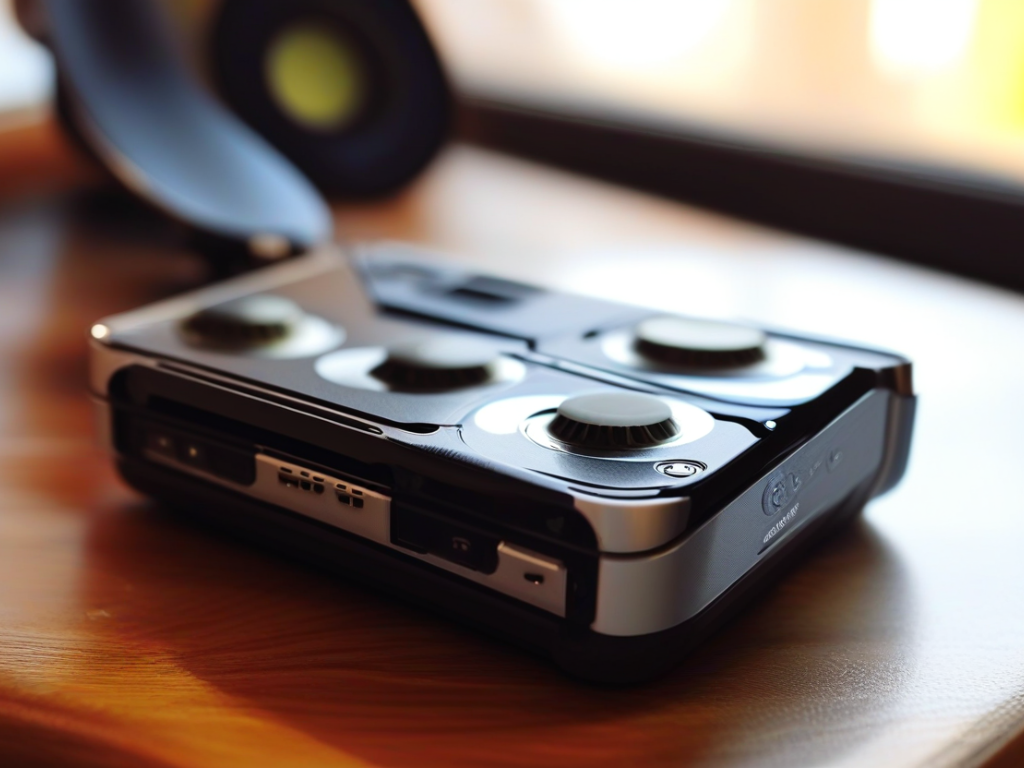
Conversely, bulkier players with shorter battery life may be less convenient for daily use, especially if you prioritize lightweight and pocket-sized designs for effortless portability.
User Interface and Features
The user interface plays a significant role in the overall user experience of a music player. Intuitive navigation, touchscreen displays, customizable EQ settings, and seamless Bluetooth connectivity enhance the usability of the device. Leading brands like Apple iPod Touch excel in offering a user-friendly interface with a host of features for versatile usage.
However, excessive features can sometimes overwhelm users seeking a streamlined listening experience. Simple, straightforward interfaces may appeal to individuals who value ease of use over advanced functionalities.
Connectivity Options
Connectivity options such as Bluetooth, Wi-Fi, and wired connections influence how you interact with your music player. Wireless connectivity enables hassle-free pairing with headphones or speakers, while wired connections like USB-C or 3.5mm jacks ensure robust audio transmission without latency.
Nevertheless, compatibility issues or dependency on specific connection types can limit the flexibility of the device, hindering seamless integration with various audio setups.
By weighing these factors and understanding your priorities in a portable music player, you can make an informed decision that aligns with your listening preferences and lifestyle. Whether you opt for a high-end audiophile player or a budget-friendly option, the ultimate goal remains the same: to immerse yourself in the music you love, anytime, anywhere.