

When it comes to audio playback, the debate between analog and digital technologies has been ongoing for decades. Both approaches have their staunch supporters, each claiming superiority in delivering the most authentic and high-fidelity sound experience. As an audio enthusiast deeply entrenched in the world of music players and sound systems, I’ve had the opportunity to delve into the nuances of analog and digital audio playback, exploring their differences, strengths, and unique characteristics. In this article, we will unravel the complexities of analog and digital audio, dissecting their respective merits and demystifying the often-confusing jargon surrounding these two foundational pillars of audio technology.
In this article you will find:
Analog Audio Playback
Let’s start with analog audio playback, the traditional method that dates back to the early days of audio reproduction. Analog audio involves a continuous representation of sound waves, where signals are transmitted in a direct, unbroken manner. Vinyl records and cassette tapes are prime examples of analog formats, where the grooves on the record or the magnetized particles on the tape directly translate into sound waves when played back.
One of the key advantages of analog playback is its ability to capture the subtle nuances and warmth of music in a way that many enthusiasts find pleasing to the ear. The continuous nature of analog signals can result in a more organic and “natural” sound, with smooth transitions between frequencies and a richness that some argue is unmatched by digital formats.
Digital Audio Playback
In stark contrast, digital audio playback involves the conversion of sound into discrete binary code, represented as a series of ones and zeros. CDs, MP3s, and streaming services rely on digital technology to store and reproduce audio files, employing techniques such as sampling and quantization to convert analog signals into digital data.
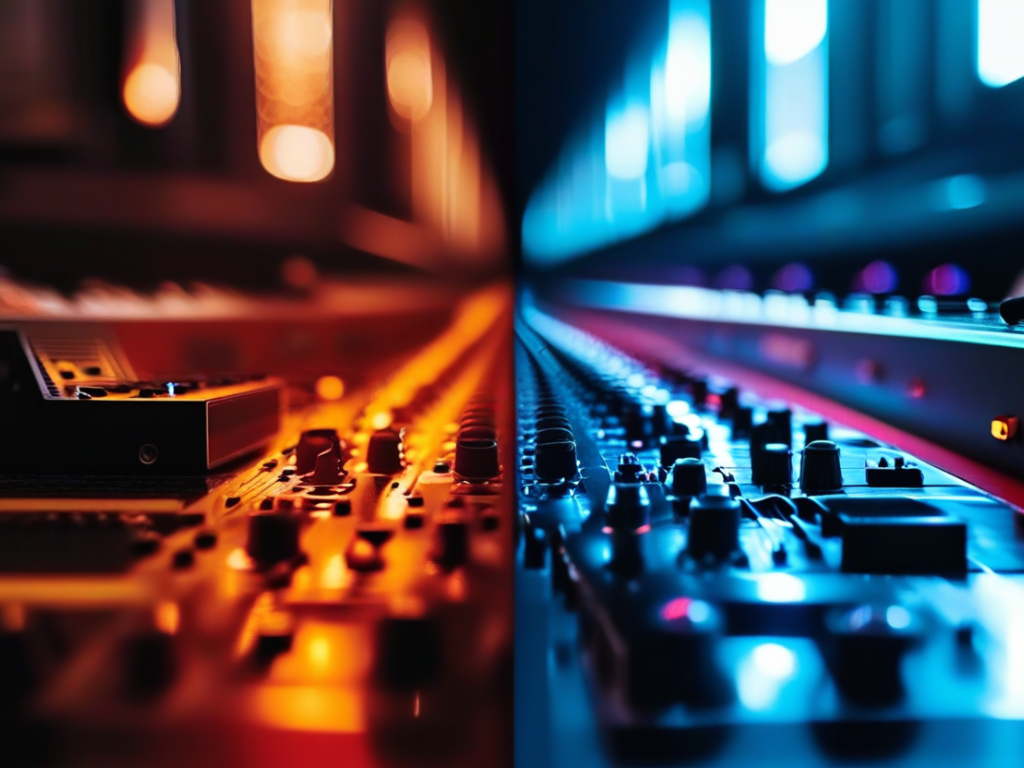
While analog purists may argue that digital audio lacks the warmth and authenticity of analog sound, digital playback offers its own set of advantages. Digital formats are renowned for their clarity, accuracy, and consistency in reproducing audio, with the potential for pristine sound quality that remains unaffected by external factors such as dust, scratches, or wear over time.
Comparing the Two
When comparing analog and digital audio playback, it’s essential to consider the trade-offs and nuances of each approach. Analog playback shines in its ability to deliver a more organic and immersive listening experience, with a unique sonic character that many audiophiles cherish. On the other hand, digital playback excels in its precision, reliability, and convenience, offering a wide range of formats and options for storing and accessing music.
Imagine listening to a vinyl record, with its distinct crackles and imperfections adding a nostalgic charm to the music. Now, juxtapose that with the crystal-clear sound of a high-resolution digital audio file, where every note and instrument is rendered with pristine accuracy and detail. Both experiences have their allure, catering to different preferences and priorities in audio playback.
Embracing the Best of Both Worlds
As technology continues to evolve, the line between analog and digital audio playback blurs, giving rise to hybrid solutions that combine the strengths of both approaches. Many modern music players and sound systems seek to marry the warmth of analog sound with the clarity of digital precision, offering listeners the best of both worlds.
Whether you gravitate towards the nostalgic allure of vinyl records or prefer the convenience of streaming high-quality digital audio, the beauty of audio playback lies in its diversity and adaptability. Embrace the nuances of analog and digital technologies, explore different formats and playback methods, and above all, immerse yourself in the transformative power of music.