

In the ever-evolving world of digital audio, understanding the differences between lossless and lossy audio formats is crucial for anyone looking to enjoy high-quality sound. As an audio enthusiast with a passion for exceptional sound experiences, I have encountered these terms numerous times throughout my journey in the audio industry. In this article, we will delve into the fundamental distinctions between lossless and lossy audio formats, explore their impact on audio quality, and provide practical insights to help you navigate the complex landscape of digital audio.
In this article you will find:
- What are Lossless and Lossy Audio Formats?
- Comparing Audio Quality
- Storage and Compatibility
- Practical Considerations
What are Lossless and Lossy Audio Formats?
Let’s start by defining these terms. Lossless audio formats, such as FLAC (Free Lossless Audio Codec) and ALAC (Apple Lossless Audio Codec), preserve every single bit of the original audio data during compression, ensuring a perfect replica of the source material. On the other hand, lossy audio formats like MP3 and AAC utilize compression techniques that discard some audio data to reduce file size. While this results in smaller file sizes, it also leads to a loss of audio quality compared to the original recording.
Comparing Audio Quality
One of the most significant differences between lossless and lossy audio formats is the quality of the sound reproduction. Lossless formats deliver uncompromised audio fidelity, making them ideal for audiophiles and music enthusiasts who prioritize pristine sound reproduction. In contrast, lossy formats sacrifice audio quality to achieve smaller file sizes, which can be more convenient for casual listeners or those with limited storage space.
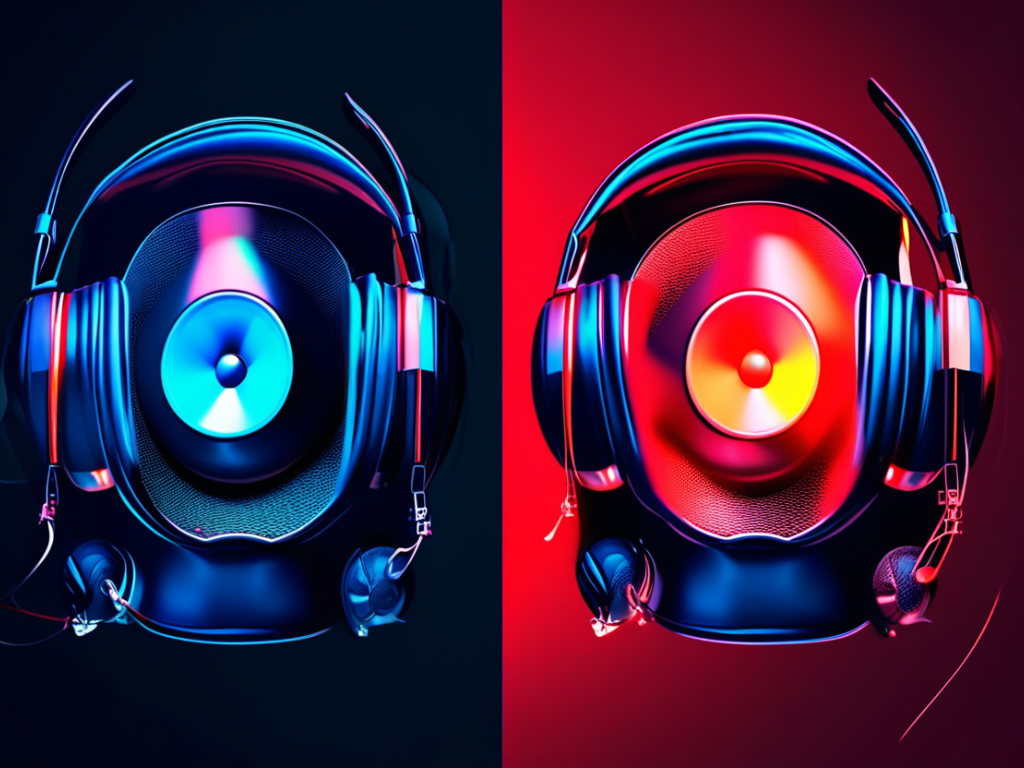
To illustrate the difference, consider a scenario where you have a high-resolution FLAC file and a compressed MP3 version of the same song. When played on a high-end audio system, the FLAC file will showcase superior clarity, detail, and depth compared to the MP3 version, which may exhibit artifacts such as audio compression artifacts and reduced dynamic range.
Storage and Compatibility
Another critical aspect to consider when choosing between lossless and lossy audio formats is storage and compatibility. Lossless files, due to their larger size, consume more storage space compared to their lossy counterparts. This can be a significant factor for individuals with extensive music libraries or limited storage options on their devices.
Furthermore, compatibility plays a crucial role, especially when it comes to playback devices. While many modern devices support a wide range of audio formats, some older or less common devices may struggle with certain lossless formats, potentially limiting your playback options.
Practical Considerations
When deciding between lossless and lossy audio formats, it’s essential to consider your listening preferences, storage capabilities, and playback devices. If you value uncompromised audio quality and have ample storage space, opting for lossless formats like FLAC or ALAC would be the ideal choice. On the other hand, if convenience and portability are your top priorities, lossy formats such as MP3 or AAC may better suit your needs.
Ultimately, the decision between lossless and lossy audio formats boils down to personal preference and the listening experience you aim to achieve. Whether you prioritize audio quality, convenience, or a balance of both, understanding the nuances of these formats will empower you to make informed choices that align with your audio preferences.
Embracing the world of digital audio formats opens up a realm of possibilities for enhancing your music listening experience. By exploring the differences between lossless and lossy audio formats, you can tailor your audio setup to meet your specific needs and immerse yourself in the exquisite world of high-quality sound.