

As audio enthusiasts, we often hear about the importance of DACs (Digital-to-Analog Converters) in the realm of high-resolution music playback. But what exactly is a DAC and why is it considered the heart of the audio chain? Let’s dive deeper into this crucial component, understand its significance, and explore how it impacts our listening experience.
In this article you will find:
- The Basics of DACs
- Types of DACs
- Portable DACs
- Desktop DACs
- Factors Influencing DAC Performance
- Choosing the Right DAC
- Conclusion
The Basics of DACs
DACs are responsible for converting digital audio signals (bits and bytes) into analog signals that can be played back through speakers or headphones. Essentially, they bridge the gap between the digital world of music files and the analog sound waves that we perceive. The quality of a DAC can significantly affect the accuracy, clarity, and richness of the audio output.
Types of DACs
DACs come in various forms, ranging from integrated chips found in smartphones and laptops to standalone units in high-end audio systems. Some DACs are designed for portable use, while others are intended for home audio setups. Each type has its own set of features, specifications, and performance characteristics.
Portable DACs
Portable DACs, often combined with headphone amplifiers, cater to music lovers on the go. They enhance the sound quality of smartphones, tablets, and laptops, providing a noticeable improvement in audio fidelity, dynamics, and detail. Popular models like the Audioquest DragonFly and the iFi hip-dac have garnered praise for their compact size and impressive performance.
Desktop DACs
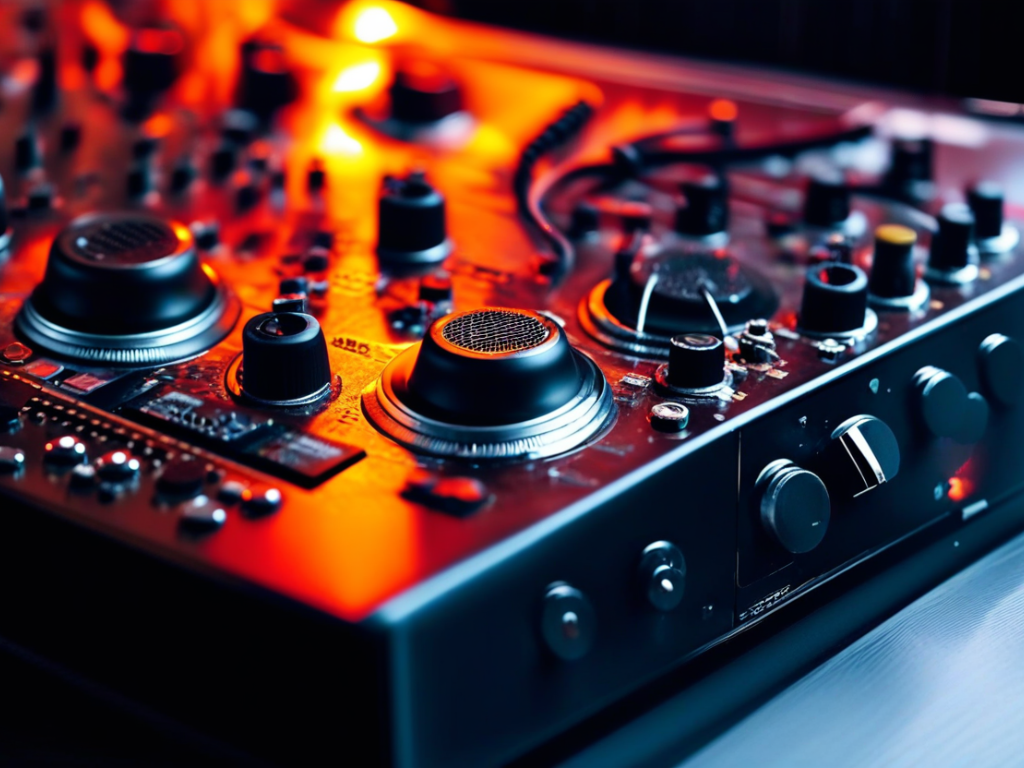
Desktop DACs focus on delivering high-resolution audio in home environments. They offer a wider range of connectivity options, support for multiple audio formats, and advanced circuitry for audiophile-grade sound reproduction. Products such as the Schiit Modi 3+ and the Cambridge Audio DacMagic 200M exemplify the quality and versatility of desktop DACs.
Factors Influencing DAC Performance
When evaluating DACs, several factors contribute to their overall performance:
- Chipset: The quality and brand of the DAC chipset influence resolution, dynamic range, and signal-to-noise ratio.
- Output Stage: The amplification and filtering components determine how well the DAC can drive headphones or speakers.
- Power Supply: A clean and stable power source is essential for minimizing noise and distortion in the audio signal.
- Compatibility: DACs should support a wide range of audio formats and sampling rates to ensure compatibility with various music sources.
Choosing the Right DAC
Selecting the right DAC involves considering your listening preferences, budget, and setup. Whether you prioritize portability, feature-rich functionality, or uncompromising sound quality, there’s a DAC out there to meet your needs. Conducting research, listening to demos, and seeking expert advice can guide you towards finding the perfect match for your audio system.
Conclusion
By understanding the role of DACs in high-resolution music playback, we gain insight into the critical role they play in shaping our listening experience. Whether you’re a casual listener or a dedicated audiophile, investing in a quality DAC can elevate your enjoyment of music to new heights. So, let’s embrace the world of DACs and embark on a journey of sonic exploration and discovery.